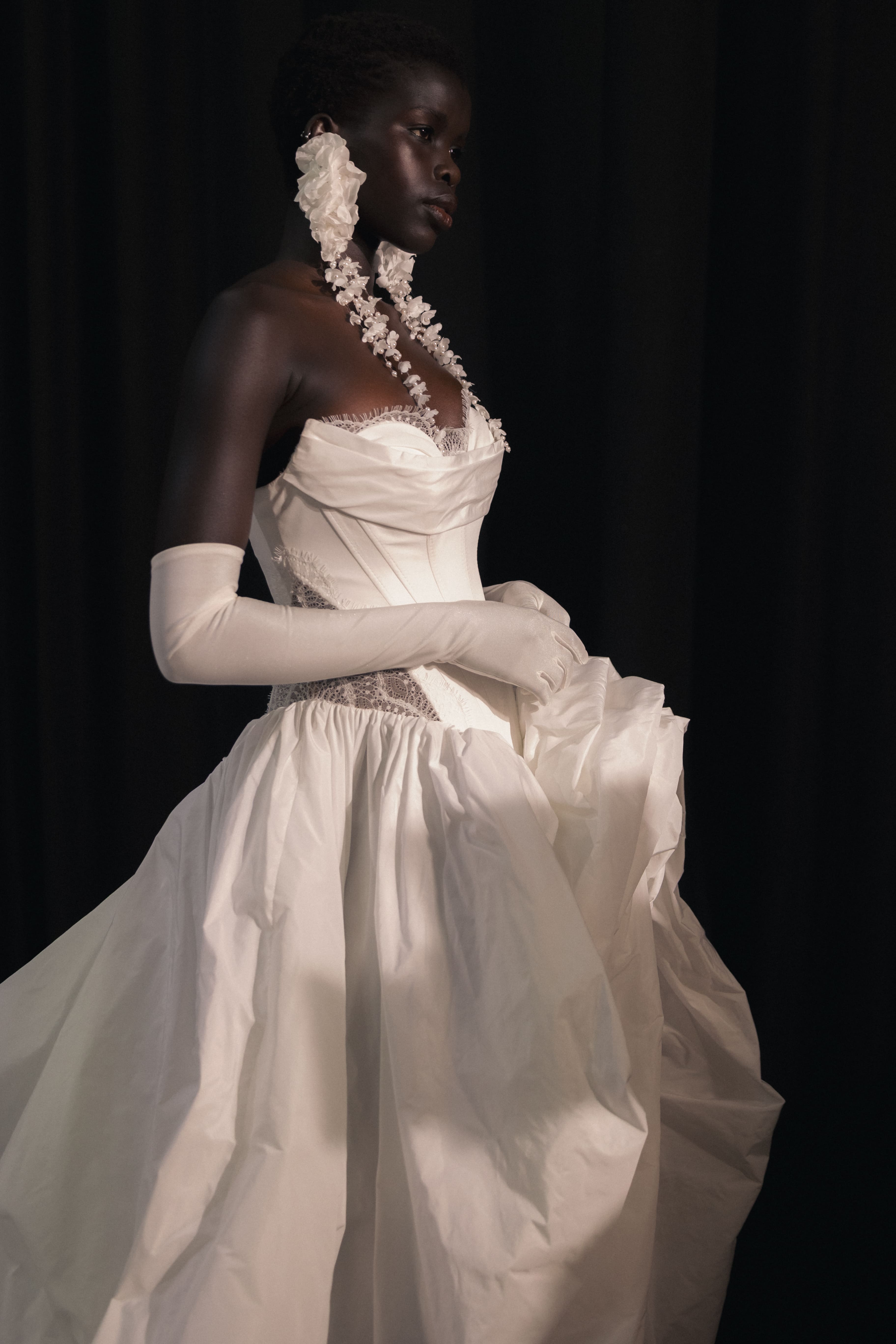
- OKSANA MUKHA
- Blog
- 5 Type of Fabric for Wedding Dress
5 Type of Fabric for Wedding Dress
14.07.2026
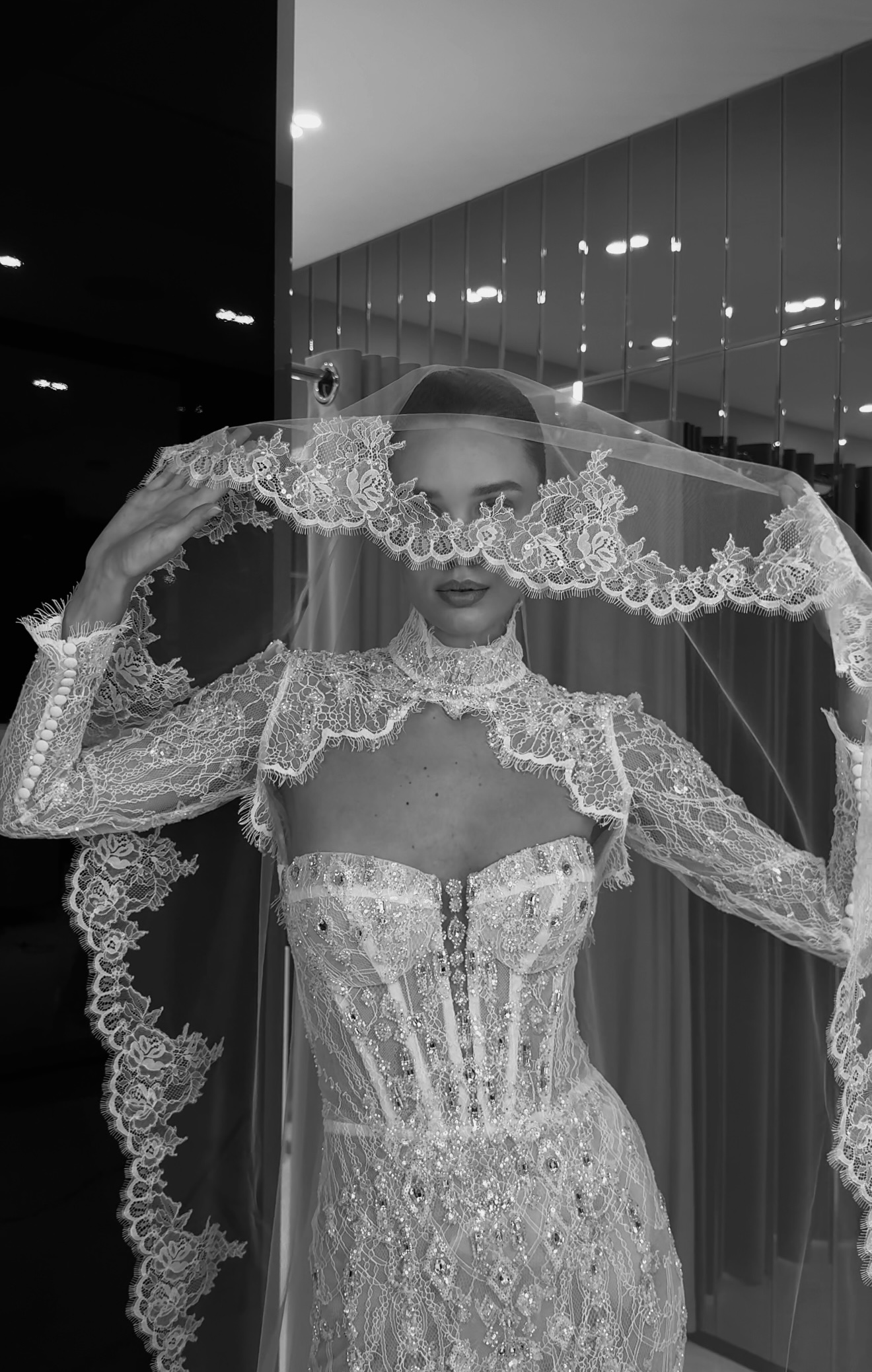
Learn about the qualities of different types of wedding dress material and how they fit your wedding style.
Best Fabric Types for Wedding Dresses
The fabric of a bridal dress influences the silhouette's clean lines and determines the gown's overall appearance. Depending on the fabric types for wedding dresses, designers create architectural forms or flowing, airy styles. One fabric makes the bride more sensual and alluring, while another creates a subdued and elegant look.
At OKSANA MUKHA, selecting the right fabric is one of the most important stages of creating every bridal gown. Each material is carefully chosen not only for its beauty but also for the way it moves, reflects light, photographs, and enhances the bride's silhouette throughout the wedding day.
Knowing the right type of fabric for wedding dress will help you create the perfect look for your special day. In this article, we'll look at the five most common fabrics used for wedding gowns. Each has unique properties, such as texture, wrinkle resistance, density, sheerness, and more. But what they all have in common is that these fabrics will make you look elegant and stylish, even with a simple cut.
Common Types of Material for Wedding Dresses
Wedding dresses are traditionally made from premium fabrics because of the special significance of the event. The groom should admire and be inspired by the bride's beauty. The couple will be at the center of the guests’ attention throughout the ceremony. That is why dull, sagging, or cheap fabrics are unacceptable. Even on a modest budget, you can choose a minimalist, yet incredibly elegant and stylish dress made from expensive-looking fabric. Below, we list the characteristics of materials that have proven themselves excellent for wedding dresses.
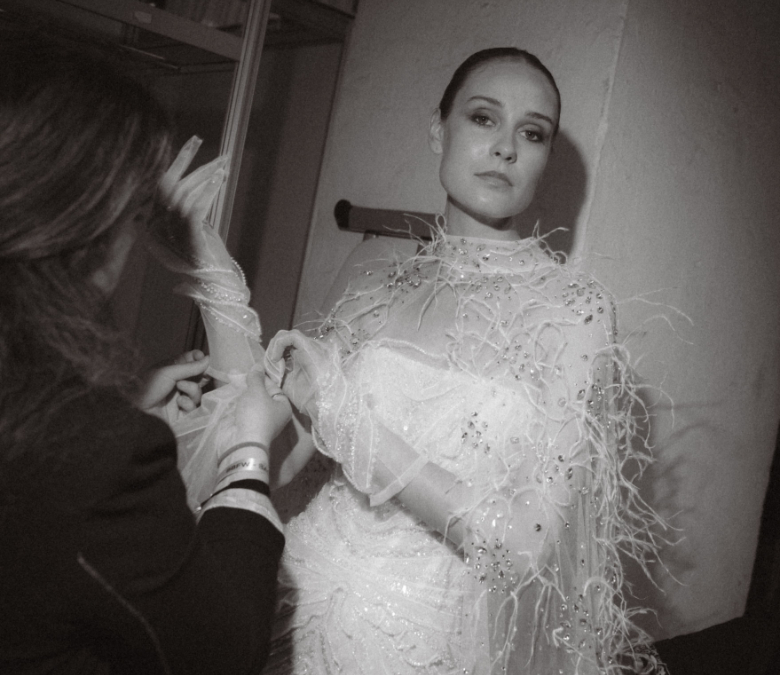
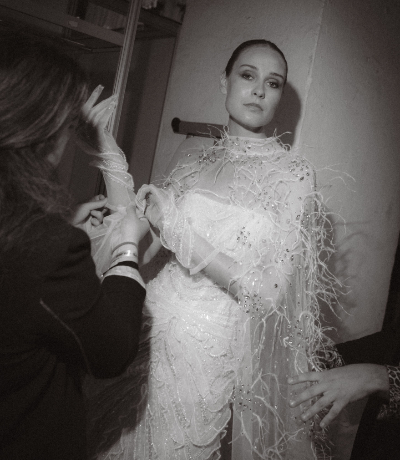
A couture wedding gown is never defined by fabric alone. The true artistry lies in combining the right material with precise construction, thoughtful draping, and impeccable tailoring. Even the finest silk or lace reveals its full beauty only in the hands of experienced bridal designers.
1.Silk Organza
Silk organza has a fine yet rigid structure. This makes it ideal for creating voluminous elements that will hold their shape throughout the wedding. For example, these could include:
- Veils in an elegant, flowing, and modern style;
- Overskirts that create luxurious, airy volume without adding weight;
- Trains that don't weigh down the dress or restrict the bride's movements as she walks;
- Bows that don't fall down or lose their shape even by the end of the wedding;
- Translucent inserts that create a seductive and bold look;
- Flowers with a 3D effect, achieved thanks to the multi-layered and transparent nature of this fabric.
2.Lace
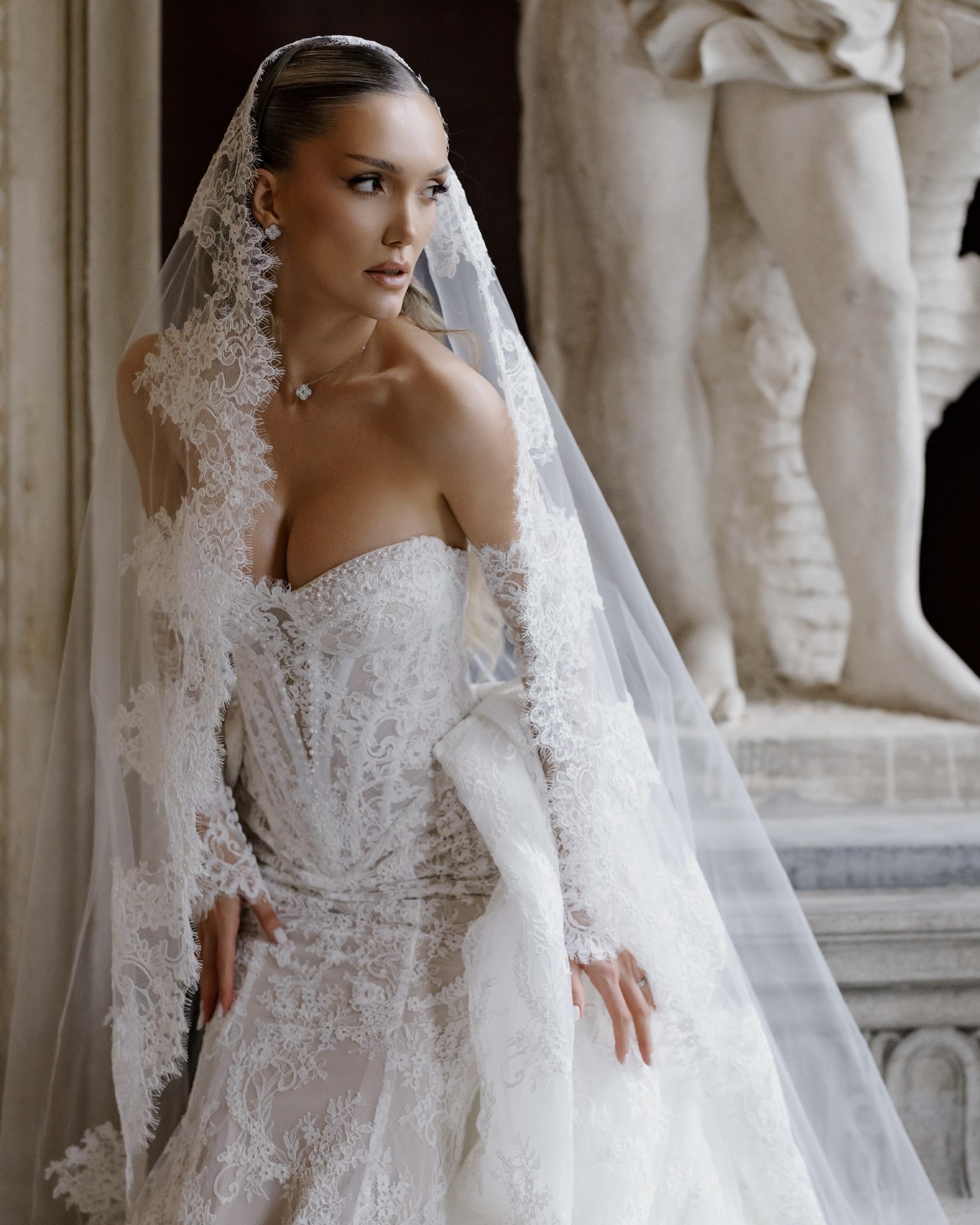
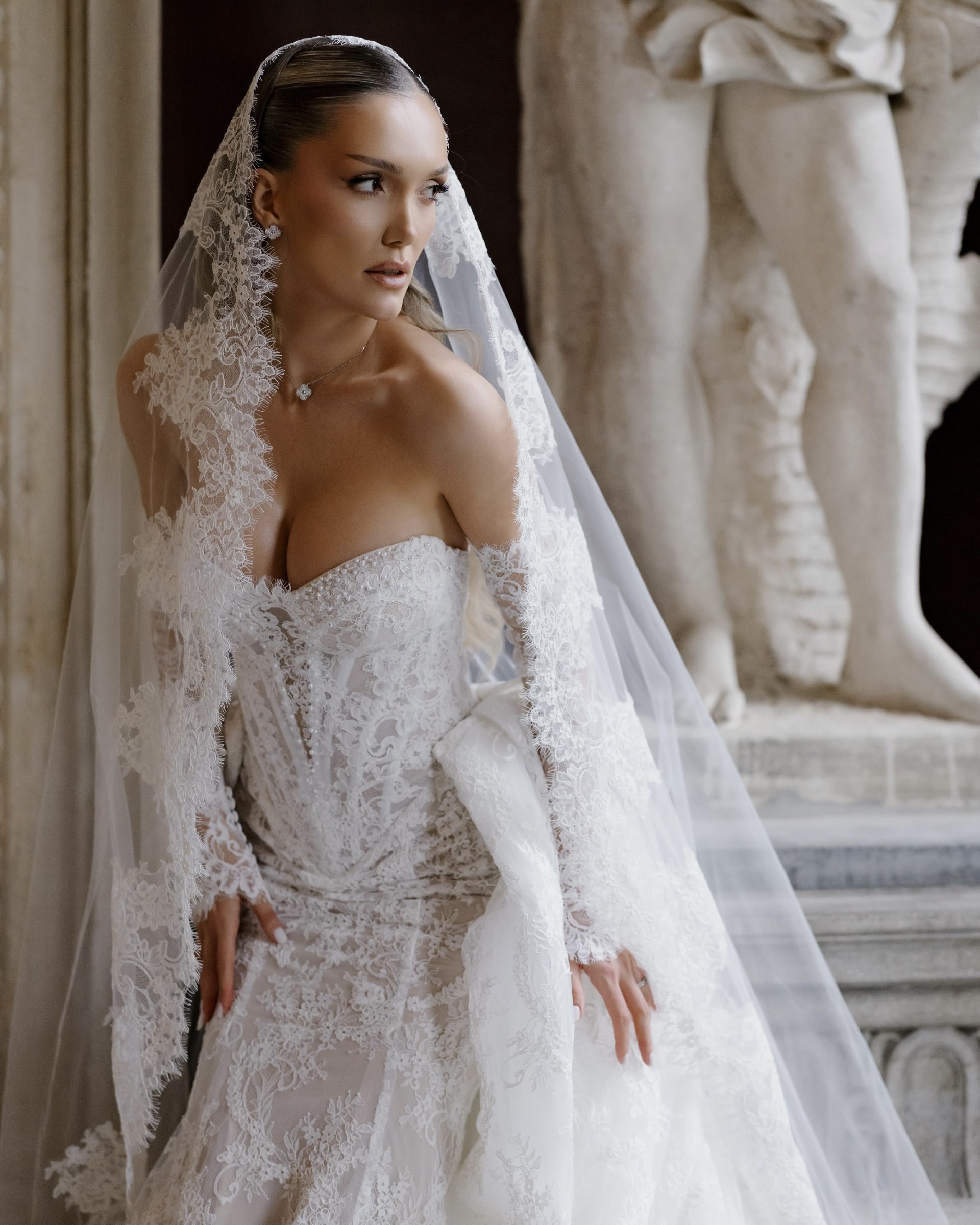
Lace is one of the most feminine and versatile types of wedding gown fabric. It suits a variety of wedding styles, including:
- Classic
- Royal
- Boho
- Vintage
- Provence and many others
Discover this fabric in Isolde, Bella, Marigold and many others. You can use lace only for trim, or you can create a luxurious gown entirely from handmade lace. Your imagination is virtually unlimited, as there are many types of lace that suit various design ideas:
- Chantilly will add a touch of aristocracy and French chic to your wedding dress. This lace creates an elegant "second skin" effect, making it very sexy as a lace top. It can also be used to cover a skirt or as a long wedding train.
- Delicate guipure is often used to trim corsets. When applied directly to the skin, it creates a tattoo-like effect. You can use it to create accent sleeves or decorate the neckline. In the latter case, you won't need to choose expensive embellishments, as the beauty of guipure requires no additional enhancement.
- If you're planning a boho or rustic wedding, add a touch of authenticity with macrame. It can be used to decorate the bodice, back, sleeves, train, and hem. These elements will add texture to the dress and a bohemian chic touch to the bride's look.
- Elegant vintage dresses look stunning with dense French Alençon lace. For a more luxurious effect, you can embellish it with beads, pearls, crystals, and sequins.
3.Brocade
Brocade is one of the most luxurious bridal fabric types, associated with royal splendor, grandeur, and aristocracy. If you want to add a special touch to your wedding ceremony, a brocade dress is the perfect choice. Since brocade is dense and heavy, it will hold the dress's shape perfectly.
However, this same property often requires pairing brocade with lighter fabrics. For example, if you've chosen a full ball gown, the base could be brocade, and the sleeves, cape, or detachable skirt elements could be smooth silk, satin, organza, or tulle.
4.Mikado
Among the different types of fabric for wedding dresses, Mikado stands out for its dense and precise structure. It allows for the creation of perfect architectural and geometric silhouettes. Therefore, it is often used in A-line bridal gowns. A skirt made from this fabric looks majestic, maintains volume, and does not sag. Furthermore, the fabric has a delicate, luxurious sheen, allowing designers to create an elite bridal look. This fabric looks stunning in photographs and videos, further adding to its appeal. Explore how Mikado looks like in dresses such as Alba and Ornella.
5.Heavy Satin
If you want a wedding dress with a rigid corset or full skirt, consider heavy satin. This fabric is generally less expensive than brocade, but it also holds volume beautifully and creates a luxurious bridal look. Satin looks great in any lighting, so the bride will look stunning and captivating at both the beginning and the end of the wedding ceremony.
Because this fabric is opaque, it is ideal for long-sleeved, full-length wedding dresses. If you're planning a fall or winter wedding, heavy satin will retain heat perfectly, making your celebration not only beautiful but also cozy and comfortable.
Heavy satin is also one of the most popular and flattering bridesmaid dress fabric types. It flatters the silhouette thanks to its ability to hold its shape, making women look more attractive.
At OKSANA MUKHA, we believe that every fabric tells its own story. Whether creating sculptural silhouettes with Mikado, romantic movement with silk organza, or timeless elegance with French lace, our designers carefully select each material to bring every bridal vision to life.
Expert Advice from OKSANA MUKHA Designers
- Always touch the fabric before choosing your gown
- Consider how the fabric behaves when walking, dancing, and sitting
- Natural light and evening lighting can completely change the appearance of certain fabrics
- The finest couture gowns often combine several fabrics to achieve perfect balance between structure, comfort, and movement.
The Bottom Line
If you're unsure which dress to choose, look at wedding dress fabric types with pictures. Consider the look they help create — elegant, sensual, formal, understated, bohemian, aristocratic, etc. How do different types of wedding dress fabrics suit the season you're planning your ceremony?
Also, consider the wedding style. For example, a brocade wedding dress is too heavy and formal for a rustic wedding. A cotton wedding dress would hinder your intention to create a regal wedding atmosphere. However, this fabric can enhance such styles as Provençal, rustic, and boho. To avoid making the wrong choice, seek advice from experienced wedding designers. Having created numerous bridal looks, they understand the properties of fabrics down to the smallest detail. They will use them effectively to create a luxurious dress for your wedding.
Похожие новости